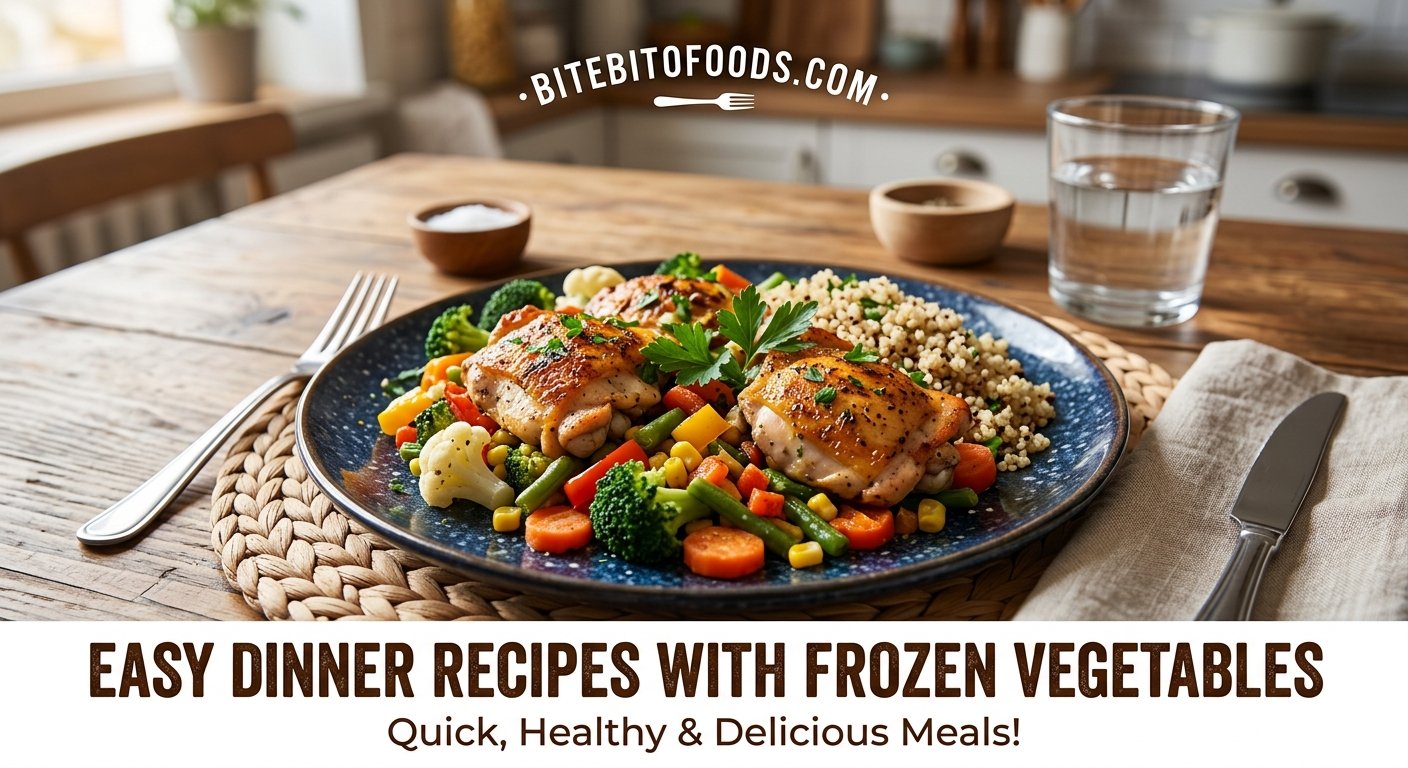
Easy Dinner Recipes with Frozen Vegetables: Quick, Delicious, and Budget-Friendly Meals

Making dinner after a long day does not have to be stressful. Sometimes, you want a homemade meal without spending an hour washing, peeling, and chopping vegetables. That is where easy dinner recipes with frozen vegetables come in handy. Frozen vegetables are affordable, convenient, and versatile enough to turn simple ingredients into satisfying meals for the whole family.
Whether you have a bag of mixed vegetables in the freezer, some frozen broccoli, or a package of peas and carrots, you can prepare plenty of delicious dinners without starting from scratch. Pair them with chicken, rice, pasta, potatoes, or beans, and you will have endless options for busy weeknights.
The best part is that frozen vegetables can save time without sacrificing flavor. When cooked properly, they add color, texture, and valuable nutrients to your favorite meals.
In this guide, you will discover easy dinner recipes with frozen vegetables, practical cooking tips, budget-friendly ingredient combinations, and simple ways to create delicious meals using what you already have in your kitchen.
Why Use Frozen Vegetables for Dinner?
Frozen vegetables are one of the most useful ingredients to keep in your freezer. They are usually washed, trimmed, and cut before freezing, which means you can add them directly to many recipes.
Here are some reasons why frozen vegetables are an excellent choice for everyday cooking.
1. They Save Preparation Time
Fresh vegetables often require washing, peeling, chopping, and other preparation. Frozen vegetables eliminate much of that work.
For example, a bag of frozen mixed vegetables can go straight into fried rice, soup, pasta, or a skillet dinner. This makes preparing a homemade meal much easier when you have limited time.
2. They Help Reduce Food Waste
Fresh produce can spoil before you have a chance to use it. Frozen vegetables last much longer when stored properly in the freezer.
You can take out the amount you need and keep the rest frozen. This is especially helpful when cooking for one or two people.
3. They Are Budget-Friendly
Frozen vegetables are often available throughout the year at relatively consistent prices. Buying them can also help you avoid purchasing several different fresh vegetables for a single recipe.
A small bag of frozen broccoli, for example, can be divided between pasta, rice bowls, and chicken skillet dinners.
4. They Are Versatile
You can use frozen vegetables in many types of meals, including casseroles, soups, stir-fries, curries, and one-pan dinners.
Popular choices include:
- Frozen mixed vegetables
- Frozen broccoli
- Frozen peas and carrots
- Frozen green beans
- Frozen spinach
- Frozen cauliflower
- Frozen corn
- Frozen bell pepper strips
Choose plain frozen vegetables when possible so you can control the salt, seasoning, and sauces in your meals.
1. Easy Chicken and Rice with Frozen Vegetables
Chicken and rice is a classic dinner combination because it is filling, affordable, and easy to customize. Adding frozen vegetables makes it a complete one-pan-style meal with minimal preparation.
Ingredients
- 1 pound boneless, skinless chicken breast, cut into small pieces
- 1 cup long-grain white rice
- 1 cup frozen mixed vegetables
- 2 cups chicken broth or water, adjusted for your rice
- 1 tablespoon olive oil
- 2 cloves garlic, minced
- 1 teaspoon paprika
- 1/2 teaspoon black pepper
- Salt to taste
Instructions
- Heat the olive oil in a large skillet or saucepan over medium heat.
- Add the chicken pieces and season with paprika, black pepper, and salt.
- Cook until the chicken is lightly browned on the outside.
- Add the garlic and stir for about 30 seconds.
- Mix in the uncooked rice and chicken broth.
- Bring the liquid to a gentle boil, then cover and reduce the heat.
- Cook according to the rice package instructions, usually around 15 to 20 minutes for white rice.
- Add the frozen vegetables during the final 5 to 8 minutes, or earlier if your rice requires more cooking time.
- Cover again and cook until the rice is tender, the vegetables are heated through, and the chicken reaches an internal temperature of 165°F (74°C).
Let the dish rest for a few minutes before serving.
Helpful tip: If you use brown rice, you will need a longer cooking time and more liquid. Follow the package instructions and add the vegetables near the end so they do not become overly soft.
2. Quick Vegetable Fried Rice
Vegetable fried rice is one of the easiest dinner recipes with frozen vegetables. It is particularly useful when you have leftover cooked rice in the refrigerator.
You can prepare it as a vegetarian dinner or add eggs, chicken, tofu, or leftover cooked meat for extra protein.
Ingredients
- 3 cups cold, cooked rice
- 1 cup frozen peas and carrots
- 2 eggs, lightly beaten
- 2 tablespoons cooking oil
- 2 cloves garlic, minced
- 2 tablespoons soy sauce, or to taste
- 2 green onions, sliced, optional
- Black pepper to taste
Instructions
- Heat one tablespoon of oil in a large skillet over medium-high heat.
- Add the beaten eggs and scramble until fully cooked. Transfer them to a plate.
- Add the remaining oil to the skillet.
- Stir in the garlic and frozen peas and carrots.
- Cook for 3 to 5 minutes, stirring occasionally.
- Add the cold rice and break up any large clumps.
- Pour in the soy sauce and season with black pepper.
- Return the cooked eggs to the pan and mix everything together.
- Cook for another 2 to 3 minutes until the rice is hot throughout.
Serve immediately.
Helpful tip: Cold, properly refrigerated rice generally works better than freshly cooked rice because it is less sticky. Refrigerate leftover rice promptly and reheat it until steaming hot.
3. Creamy Chicken Pasta with Frozen Broccoli
If you enjoy comforting pasta dinners, this creamy chicken and broccoli recipe is an excellent option. Frozen broccoli saves preparation time, while a simple milk-based sauce creates a creamy texture without requiring heavy cream.
Ingredients
- 8 ounces pasta
- 1 pound boneless chicken breast, diced
- 2 cups frozen broccoli florets
- 1 tablespoon olive oil
- 2 cloves garlic, minced
- 1 tablespoon butter
- 1 tablespoon all-purpose flour
- 1 cup milk
- 1/2 cup grated Parmesan cheese, optional
- Salt and black pepper to taste
- 1/2 teaspoon Italian seasoning
Instructions
- Cook the pasta according to the package directions. Reserve about half a cup of pasta water before draining.
- Season the chicken with salt, pepper, and Italian seasoning.
- Heat the olive oil in a large skillet and cook the chicken until browned and fully cooked.
- Add the frozen broccoli and cook until tender and heated through. Add a small splash of water if needed and cover briefly to help the broccoli steam.
- Remove the chicken and broccoli from the skillet.
- Melt the butter in the same pan and stir in the flour.
- Cook for about one minute, then gradually whisk in the milk.
- Simmer gently until the sauce thickens.
- Add Parmesan cheese if desired, then return the chicken and broccoli to the skillet.
- Stir in the cooked pasta and add a little reserved pasta water if the sauce is too thick.
This recipe is perfect for a weeknight dinner because it combines protein, vegetables, and carbohydrates in one satisfying dish.
4. Easy Vegetable and Potato Skillet
Potatoes are inexpensive, filling, and easy to combine with frozen vegetables. This skillet dinner is a great choice when you want a meatless meal made with simple pantry ingredients.
Ingredients
- 3 medium potatoes, diced into small cubes
- 2 cups frozen mixed vegetables
- 1 small onion, chopped
- 2 tablespoons olive oil
- 1 teaspoon paprika
- 1/2 teaspoon garlic powder
- 1/2 teaspoon black pepper
- Salt to taste
- 2 tablespoons water, if needed
Instructions
- Heat the olive oil in a large skillet over medium heat.
- Add the diced potatoes and season with paprika, garlic powder, salt, and pepper.
- Cook for 12 to 15 minutes, stirring occasionally.
- Add the chopped onion and continue cooking until the onion softens.
- Stir in the frozen vegetables.
- If the potatoes need more time, add a small amount of water and cover the skillet for several minutes.
- Remove the lid and cook until the excess moisture evaporates and the potatoes are tender.
Serve this skillet dinner on its own or with a fried egg, beans, or grilled chicken.
For extra flavor, add dried rosemary, cumin, chili flakes, or a squeeze of lemon juice just before serving.
5. One-Pot Vegetable Soup
Vegetable soup is one of the most practical ways to use frozen vegetables. It requires little preparation, is easy to customize, and makes excellent leftovers.
You can prepare a simple soup with vegetable broth, frozen mixed vegetables, potatoes, and canned beans.
Ingredients
- 3 cups frozen mixed vegetables
- 1 medium potato, diced
- 1 small onion, chopped
- 1 can white beans or kidney beans, drained and rinsed
- 4 cups vegetable or chicken broth
- 1 tablespoon olive oil
- 1 teaspoon garlic powder
- 1/2 teaspoon dried thyme
- Salt and black pepper to taste
Instructions
- Heat the olive oil in a large pot.
- Add the onion and cook until softened.
- Stir in the potato, frozen vegetables, garlic powder, and thyme.
- Pour in the broth and bring the mixture to a boil.
- Reduce the heat and simmer until the potatoes are almost tender.
- Add the drained beans.
- Continue cooking until the potatoes are fully tender and all the ingredients are heated through.
- Taste and adjust the seasoning.
Serve with toasted bread, crackers, or a simple sandwich.
Variation: Add a can of diced tomatoes for a tomato-based soup, or stir in a handful of frozen spinach near the end of cooking.
6. Easy Chicken Stir-Fry with Frozen Vegetables
Chicken stir-fry is ideal for busy evenings because it cooks quickly and works with many different vegetables. Frozen stir-fry blends are especially convenient because they may include broccoli, carrots, peppers, and snap peas.
Ingredients
- 1 pound boneless chicken breast, thinly sliced
- 3 cups frozen stir-fry vegetables
- 2 tablespoons cooking oil
- 2 cloves garlic, minced
- 1 teaspoon grated ginger, optional
- 3 tablespoons soy sauce
- 1 tablespoon honey, optional
- 1 teaspoon cornstarch mixed with 2 tablespoons cold water, optional
- Black pepper to taste
Instructions
- Heat one tablespoon of oil in a large skillet or wok.
- Add the chicken and cook until browned and fully cooked.
- Transfer the chicken to a plate.
- Add the remaining oil, garlic, and ginger.
- Add the frozen vegetables and cook over medium-high heat until the excess moisture evaporates and the vegetables are tender-crisp.
- Return the chicken to the skillet.
- Stir together the soy sauce, honey, and cornstarch mixture if using.
- Pour the sauce into the skillet and stir until everything is coated.
- Cook for another minute or two until the sauce thickens and the meal is hot throughout.
Serve with steamed rice or noodles.
To keep the vegetables from becoming soggy, avoid overcrowding the pan. If you are preparing a large quantity, cook the vegetables in batches.
7. Baked Chicken and Vegetable Casserole
A chicken and vegetable casserole is a comforting dinner that requires very little hands-on preparation. Frozen vegetables make it easier to assemble, especially when you do not have fresh produce available.
Ingredients
- 2 cups cooked chicken, shredded or diced
- 2 cups frozen mixed vegetables
- 2 cups cooked rice
- 1 cup milk
- 1 can condensed cream of chicken soup, approximately 10.5 ounces
- 1/2 teaspoon garlic powder
- 1/2 teaspoon black pepper
- 1/2 cup shredded cheese, optional
Instructions
- Preheat the oven to 375°F (190°C).
- Lightly grease a baking dish.
- In a large bowl, combine the cooked chicken, frozen vegetables, rice, milk, and condensed soup.
- Add the garlic powder and black pepper.
- Transfer the mixture to the prepared baking dish.
- Cover with foil and bake for approximately 25 to 30 minutes.
- Remove the foil, add cheese if desired, and bake for another 5 to 10 minutes.
- Check that the center reaches 165°F (74°C) and the casserole is hot throughout.
Let the casserole rest for a few minutes before serving.
You can replace the condensed soup with a homemade white sauce if you prefer to control the ingredients or reduce the sodium.
8. Vegetable Egg Noodles
Egg noodles and frozen vegetables make a quick dinner when you want something simple without cooking meat. The recipe is easy to adjust based on what is available in your kitchen.
Ingredients
- 8 ounces egg noodles
- 2 cups frozen mixed vegetables
- 2 tablespoons cooking oil
- 2 cloves garlic, minced
- 2 tablespoons soy sauce
- 1 teaspoon sesame oil, optional
- 1/2 teaspoon black pepper
- 1 egg, optional
Instructions
- Cook the egg noodles according to the package directions and drain.
- Heat the cooking oil in a skillet.
- Add the garlic and cook briefly.
- Add the frozen vegetables and cook until tender.
- If using an egg, push the vegetables to one side and scramble the egg in the empty part of the pan.
- Add the cooked noodles and soy sauce.
- Toss everything together until evenly coated and hot.
- Finish with sesame oil and black pepper if desired.
You can add cooked chicken, tofu, or edamame for extra protein. A little chili sauce also works well if you enjoy spicy noodles.
9. Easy Vegetable Curry with Chickpeas
A vegetable curry is an affordable, filling dinner that works especially well with frozen cauliflower, peas, carrots, and spinach. Chickpeas provide additional protein and make the meal more satisfying.
Ingredients
- 3 cups frozen mixed vegetables
- 1 can chickpeas, drained and rinsed
- 1 small onion, chopped
- 1 can diced tomatoes
- 1 tablespoon cooking oil
- 2 cloves garlic, minced
- 1 teaspoon curry powder
- 1/2 teaspoon ground cumin
- 1/2 teaspoon turmeric, optional
- Salt and black pepper to taste
- 1/2 cup water, as needed
Instructions
- Heat the oil in a saucepan over medium heat.
- Add the onion and cook until softened.
- Stir in the garlic, curry powder, cumin, and turmeric.
- Add the diced tomatoes and cook for several minutes.
- Stir in the frozen vegetables and chickpeas.
- Add water as needed to create a sauce.
- Cover and simmer until the vegetables are tender, stirring occasionally.
- Season with salt and pepper.
Serve with rice, flatbread, or warm naan.
For a creamier curry, stir in a little plain yogurt after removing the pan from the heat. You can also add coconut milk if you prefer a richer sauce.
10. Easy Ground Beef and Frozen Vegetable Skillet
Ground beef is another excellent ingredient for quick dinners. When combined with frozen vegetables and simple seasonings, it creates a hearty meal that can be served over rice, potatoes, or pasta.
Ingredients
- 1 pound ground beef
- 2 cups frozen mixed vegetables
- 1 small onion, chopped
- 2 cloves garlic, minced
- 1 tablespoon cooking oil, if needed
- 1 teaspoon paprika
- 1/2 teaspoon dried oregano
- Salt and black pepper to taste
- 2 tablespoons tomato paste
- 1/4 cup water
Instructions
- Heat a large skillet over medium heat.
- Add the ground beef and cook, breaking it into small pieces.
- Add the onion and garlic and cook until softened.
- Drain excess fat if necessary.
- Stir in the frozen vegetables, paprika, oregano, and tomato paste.
- Add the water and mix well.
- Cover and cook until the vegetables are tender.
- Continue cooking uncovered for a few minutes if the mixture contains excess liquid.
- Check that the ground beef reaches an internal temperature of 160°F (71°C).
Serve over rice, spoon into baked potatoes, or use as a filling for wraps.
Tips for Cooking with Frozen Vegetables
Frozen vegetables are convenient, but the way you cook them can affect the final texture of your meal. A few simple techniques can make a noticeable difference.
Add Them at the Right Time
Some recipes benefit from adding frozen vegetables near the end of cooking. This helps prevent delicate vegetables, such as peas and spinach, from becoming too soft.
For soups and stews, vegetables can often cook directly in the broth. For skillet meals, add them after the meat or aromatics have started cooking.
Avoid Excess Water
Frozen vegetables release moisture as they heat. If you add too many vegetables to a crowded skillet, they may steam rather than brown.
Use a wide pan, cook in batches when necessary, and allow excess moisture to evaporate before adding sauces.
Season Generously
Frozen vegetables can taste delicious when seasoned properly. Garlic, onion, black pepper, paprika, Italian seasoning, curry powder, cumin, lemon juice, and fresh herbs all work well.
Taste your meal before serving and adjust the seasoning as needed.
Do Not Always Thaw Them First
Most frozen vegetables can be added directly to soups, curries, pasta dishes, casseroles, and many skillet recipes.
Thawing is usually unnecessary unless a specific recipe requires it. If you do thaw vegetables, drain excess liquid before adding them to a recipe where a crisp texture matters.
Check for Added Salt or Sauces
Plain frozen vegetables give you the most control over flavor and sodium. Seasoned blends and vegetables packaged with sauces may contain additional salt or other ingredients.
Read the package label if you have specific dietary preferences.
How to Choose the Best Frozen Vegetables for Dinner
Different vegetables work better in different recipes. Keeping a few varieties in the freezer makes it easier to prepare meals without an extra trip to the store.
| Frozen vegetable | Best dinner uses |
|---|---|
| Mixed vegetables | Fried rice, soup, casseroles |
| Broccoli | Pasta, chicken skillets, casseroles |
| Peas and carrots | Fried rice, noodles, chicken dishes |
| Spinach | Curry, pasta, soups |
| Cauliflower | Curry, roasted vegetable bowls |
| Green beans | Chicken skillets, stir-fries |
| Corn | Rice bowls, soups, quesadillas |
| Stir-fry blend | Noodles, chicken stir-fry, tofu dishes |
You do not need every variety. Start with the vegetables you enjoy most and choose combinations that work with the meals you already cook.
How to Plan a Week of Easy Dinners with Frozen Vegetables
Meal planning becomes easier when you use similar ingredients in different ways. A few bags of frozen vegetables can help you prepare several different dinners throughout the week.
Here is a simple five-day plan:
Monday: Chicken and rice with frozen mixed vegetables.
Tuesday: Vegetable fried rice with eggs.
Wednesday: Creamy chicken pasta with frozen broccoli.
Thursday: Chickpea and vegetable curry with rice.
Friday: Chicken stir-fry with frozen vegetables and noodles.
This plan uses overlapping ingredients, which can reduce grocery costs and food waste. You can also replace chicken with beans, tofu, or ground beef depending on your budget and preferences.
If you have leftover cooked chicken, use it in fried rice, pasta, or casseroles. Refrigerate leftovers promptly in shallow containers and use them within three to four days, or freeze them for longer storage.
Frequently Asked Questions
Are frozen vegetables healthy for dinner?
Yes. Frozen vegetables can be a nutritious part of a balanced dinner. Many are frozen shortly after harvesting, which helps preserve their nutrients. Their nutritional value varies by vegetable and processing method, but plain frozen vegetables are generally a convenient way to include vegetables in your meals.
Do I need to thaw frozen vegetables before cooking?
No. Most frozen vegetables can be added directly to hot pans, soups, casseroles, and sauces. Follow the package instructions and adjust the cooking time according to the recipe.
What is the easiest dinner to make with frozen vegetables?
Vegetable fried rice is one of the easiest options, especially when you have leftover cooked rice. Chicken and vegetable skillet dinners, quick soups, and egg noodles are also simple choices.
Can I cook frozen vegetables in a frying pan?
Yes. Heat a little oil in a large skillet, add the frozen vegetables, and cook until the excess moisture evaporates and the vegetables reach your preferred texture. Avoid overcrowding the pan for better results.
How can I make frozen vegetables taste better?
Season them with garlic, onion, black pepper, paprika, herbs, lemon juice, or your favorite sauce. Browning them in a hot pan can also improve their flavor and texture.
Can I use frozen vegetables in a slow cooker?
Yes, many frozen vegetables can be used in slow-cooker recipes. However, it is generally safer to thaw meat before placing it in a slow cooker, and frozen ingredients may affect cooking times. Follow your appliance’s instructions and make sure the finished meal reaches a safe temperature.
What protein goes well with frozen vegetables?
Chicken, ground beef, eggs, fish, tofu, lentils, and beans all pair well with frozen vegetables. Choose a protein that complements the recipe and fits your dietary preferences.
Final Thoughts
Preparing dinner at home does not need to involve complicated recipes or expensive ingredients. With a few bags of frozen vegetables and some basic pantry staples, you can create satisfying meals that work for busy weeknights, family dinners, and budget-conscious cooking.
From chicken and rice to vegetable fried rice, creamy pasta, hearty soup, and chickpea curry, there are plenty of easy dinner recipes with frozen vegetables to try. Each recipe can be adapted to suit your preferred flavors, available ingredients, and cooking style.
The key is to keep your freezer stocked with vegetables you enjoy, use simple seasonings, and combine them with ingredients that make your meals filling and flavorful.
Start with one recipe this week, then experiment with different vegetables, proteins, and sauces. Before long, you will have a collection of quick dinner ideas that make homemade cooking easier, more affordable, and more enjoyable.